I understand the desire to find a great deal. We all want to discover the category of glasses that suits us best. When I first began searching for the best multi-focus reading glasses, I thought I was being savvy. I believed I knew exactly what to do. That was a major error! I made some truly foolish mistakes that cost me both time and money. I wound up with glasses that didn't improve my vision—sometimes they even made it worse.
I learned the hard way that buying reading glasses isn't just about grabbing the first pair you see. It's about understanding what to look for and steering clear of common traps. I made these mistakes so you won't have to.
My first mistake was assuming all reading glasses were essentially the same. I simply picked the cheapest pair I could find, thinking, "They all just help you read, right?" I couldn't have been more wrong. Those extremely inexpensive glasses often have poor-quality lenses that can make text appear wavy or distorted. The result? Headaches, eye strain, and still not being able to read clearly.
I tried to save a few dollars but ended up wasting money on glasses I couldn't even use. It was a classic case of "buy cheap, buy twice." Don't repeat my error by focusing solely on the price tag.
Verdict: Don't let price be your only guide. A lower cost often means lower quality, which won't do your eyes any favors.
When I bought those subpar glasses, I didn't know what to check for. I overlooked the frame material and didn't consider lens quality. I just looked at the magnification number (+2.0, +2.5, etc.) and made the purchase. That was a big oversight.
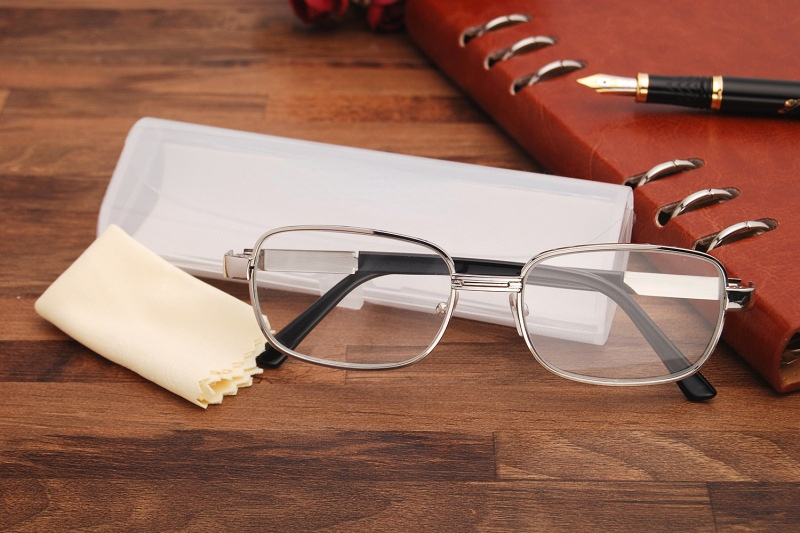
Quality reading glasses, like the Mozaer Reading Glasses Women Men Metal Frame Crystal Glass Square Hyperopia Presbyopia Reader Glasses, feature clear lenses that don't distort your vision. They also have durable frames built to last. My cheap pair felt flimsy, broke easily, and the lenses scratched quickly—clear signs of inferior materials. Learn from my experience: always check what the glasses are made of.
Verdict: Always look for signs of good quality, such as sturdy frames and clear, well-crafted lenses. Never ignore the details.
Before buying my first pair, I skipped reading the reviews. I thought I knew better and assumed people just complain too much. That was a huge oversight. Had I looked, I would have seen warnings about distorted vision or fragile frames, saving myself a lot of trouble.
User reviews are like free advice from fellow shoppers. They give you the real story, warn you about potential issues, and can point you toward good products. Not checking reviews is like walking into a dark room without turning on the light—you're bound to bump into something unpleasant. I missed out on valuable insights from people who had already tried the glasses.
Verdict: Always read what others have to say. Both positive and negative reviews can reveal a lot about a product's true quality.
I also got swept up by flashy language in product descriptions. Companies make grand claims, use attractive images, and try to make their glasses sound like the ultimate solution. I didn't look beyond the marketing or question whether the product could actually deliver on its promises. This is a trap many shoppers fall into.
Ads are designed to sell you something. They don't always tell the whole truth—they highlight the positives and downplay the negatives. My glasses looked fantastic in the advertisement, but in reality, they were uncomfortable, didn't fit my face well, and had terrible lenses. Don't make my mistake of trusting ads alone.
Verdict: Be savvy about advertising. Look for concrete facts and real features, not just exciting words or images. Ads rarely tell the full story.