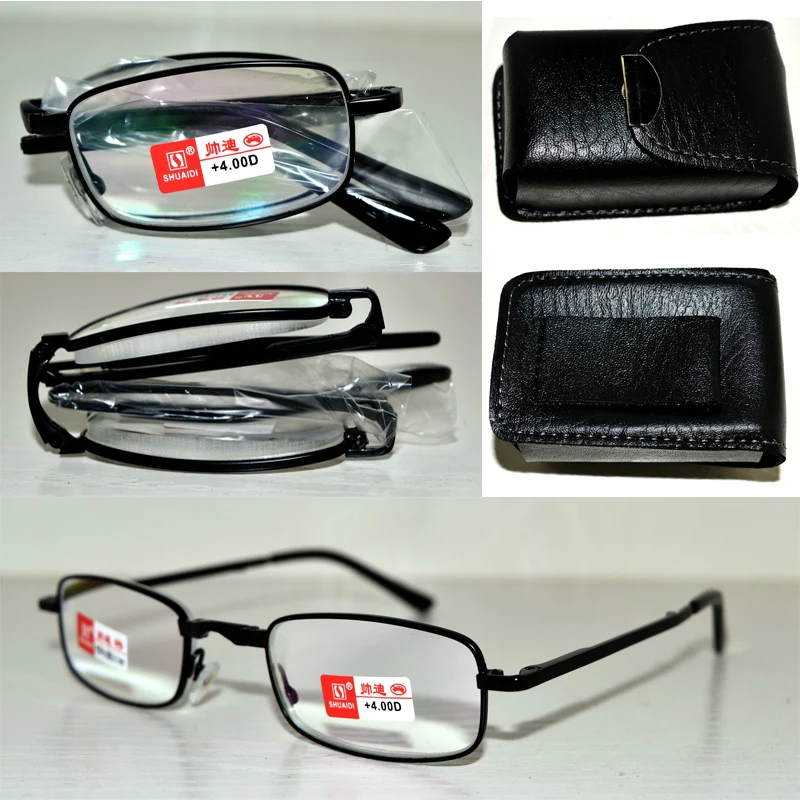
Don't settle for vision that makes you squint and strain. Our eyes work hard, and they deserve tools that make life easier, not harder. For me, that meant finding the right progressive readers. This isn't just about seeing better; it's about reclaiming comfort and confidence in everyday moments. When you find the right pair, you'll experience:
Last Tuesday, I found myself in my favorite cozy coffee shop, trying to read the intricate designs on my latte cup. My head tilted, then moved down, then up, trying to catch the details in focus. It was a familiar, frustrating dance. Just moments before, I'd been trying to read a new novel, holding it at arm's length, then closer, then back again. I sighed. This constant adjustment, this battle with blurry zones, had been my reality for far too long.
My journey with progressive lenses had been a bumpy road, to say the least. I remember one adventure with a different optical store. I had such high hopes! Two pairs of glasses were supposed to solve all my vision woes. But when the progressive glasses arrived, they were a disaster. The staff told me they were ready, but when I showed up, only one pair was there. Then, the next day, the progressive lenses. Oh, those progressive lenses!
I couldn't see anything clearly. The clarity bands were so narrow that I had to constantly move my head up and down, like a bobblehead doll, just to bring anything into focus. Reading was a strain, making my eyes hurt and my neck ache. Distance vision in the upper part of the lens caused double vision. When I went back to get them fixed, the experience was less than ideal. One optometrist actually argued with me, insisting I "should learn to use progressive lenses" for driving, even though driving wasn't my main concern. He told me I'd have to keep using my cheap magnifiers from the drugstore for my computer at home. It felt like my personal needs didn't matter, and I ended up with two pairs of computer glasses, none for reading or cutting night glare.
Then there was another time, dealing with an online store, where I went through three blurry pairs of glasses. Each time, they’d offer store credit, but the catch was, if you used store credit, you couldn’t get a refund later. I was out $200 and still had blurry vision. I even had to take their frames to a local store to get actual prescription lenses put in. It was a disheartening cycle of wasted money and dashed hopes. I kept thinking, "Is this really how it has to be for people needing progressive readers?" I felt like I was forever stuck between poor quality, limited choices, and terrible customer service. I was tired of feeling like my only options were "cheap progressives" that didn't work, or high-end ones that broke the bank and still might not be right.
Verdict: Don't let frustrating experiences with bad customer service or poorly made lenses define your search for clear vision. There are better options out there, but you have to know what to look for.
I was almost ready to give up on progressive lenses entirely, convinced they just weren't for me. But then, after a particularly exasperating day of squinting at my laptop, I decided to give online research one last shot. I spent hours sifting through reviews, looking for something different, something that promised actual functionality and comfort without breaking the bank. That's when I stumbled upon Mozaer.
What caught my eye was the description for their homepage, specifically the Leesbril Pu Case Belt Easy Quality Foldable Noble Wear Anti-reflection Coated Reading Glasses. The idea of "easy quality" and "anti-reflection coated" sounded promising, especially after my past struggles. I knew that super cheap glasses often mean low quality, especially for complex progressive lenses. I'd learned my lesson about compromising on quality just to save a few dollars, only to end up with unusable glasses.
But Mozaer’s offering seemed to hit that sweet spot: quality features without an exorbitant price tag. I made sure to really dig into buyer photos and reviews, looking for mentions of wide viewing fields and comfortable transitions – the very things my previous progressive readers lacked. I looked for signs of good craftsmanship, clear lens quality, and what real users said about adapting to them. The fact that they were foldable and came with a case also appealed to my practical side; I'm always on the go, and protecting my glasses is a must. The range of strengths from +1.0 to +4.0 also meant there was a high chance I'd find my exact fit.
Verdict: Research is key. Look past the flashy ads and dive into real user experiences. Prioritize quality indicators like anti-reflection coating and clear lens reviews, even if it means a slightly higher initial investment. It’s better than wasting money on multiple poor-quality pairs.
The first day I put on my Mozaer progressive readers, it was like a cloud had lifted. Literally. The anti-reflection coating made a noticeable difference right away, cutting down on glare from overhead lights and computer screens. But the real magic was the clarity. Instead of narrow bands that forced me to crane my neck, these lenses offered a much wider field of vision for each zone – distance, intermediate, and reading. It wasn't just "usable"; it was comfortable.
I didn't have to bob my head up and down anymore. I could simply shift my gaze naturally, from my book to my computer screen, and then glance up at the TV across the room, all with smooth, clear transitions. My neck stopped aching by the end of the day, and those persistent tension headaches became a thing of the past. It wasn't just my vision that improved; my whole day felt less strenuous, less like a constant battle against blurriness. These weren't just glasses; they were a relief.