The Real Cost of Eyeglasses: A Practical Guide
Have you ever felt like buying a pair of eyeglasses is like navigating a minefield of confusing options and hidden costs? I certainly have! I remember the first time I needed glasses, I was completely overwhelmed. It felt like everyone was speaking a different language, and I had no idea what I was actually paying for. This guide is based on my experiences and research, aiming to help you understand the true cost of eyeglasses and make informed choices.
My Eyeglasses Journey: A Tale of Nearsightedness and Sticker Shock
I've been nearsighted since I was a kid. My prescription is around -6 in both eyes, plus I have astigmatism. This means I'm pretty dependent on my glasses to see clearly. Over the years, I've learned a lot about what goes into a good pair of eyeglasses, and believe me, it's not just about the frames!
One thing that always surprises me is the wide range of prices. I remember one time, I was looking for new glasses and saw prices ranging from €150 to over €800! It made me wonder what the real differences were and if the extra cost was actually worth it. I wanted thinner lenses and a UV filter. It's important to me to protect my eyes and have glasses that don't look like magnifying glasses. Ultimately, I usually end up paying around €450 for a pair that meets my needs.
Unveiling the Cost Factors: Lenses, Frames, and More
The price of eyeglasses can vary greatly depending on several factors. Let's break them down:
- Prescription Strength: The stronger your prescription, the more expensive the lenses may be. This is because stronger prescriptions often require more specialized lens designs and materials.
- Lens Material: Standard plastic lenses are the most affordable, but they can be thick and heavy, especially with a strong prescription. High-index lenses are thinner and lighter, but they come at a higher cost.
- Lens Coatings: Anti-reflective coatings, scratch-resistant coatings, and UV protection coatings can all add to the price.
- Frame Material and Design: Frames can range from basic plastic to designer brands with exotic materials. The style and brand can significantly impact the cost.
- Progressive Lenses: If you need multifocal lenses (progressives), expect to pay a premium. These lenses correct vision at multiple distances, eliminating the need for separate reading glasses.
- Individual Parameters: Some lenses are produced with individual parameters. If you bought quality lenses with more individual parameters, the lenses alone would cost you a lot.
My Solutions and Discoveries: Finding the Right Balance
Over the years, I've experimented with different lens options and frame styles to find what works best for me. Here are some of my findings:
- Thin Lenses are Worth It (For Me): With my strong prescription, standard lenses are just too thick and unattractive. Paying extra for high-index lenses that are thinner and lighter makes a big difference in comfort and appearance.
- Coatings Matter: I always opt for anti-reflective and UV protection coatings. The anti-reflective coating reduces glare, making it easier to see in bright light, while the UV protection safeguards my eyes from harmful rays.
- Frames: Personal Preference: When it comes to frames, I prioritize comfort and durability over brand names. I've found some great, stylish frames at reasonable prices.
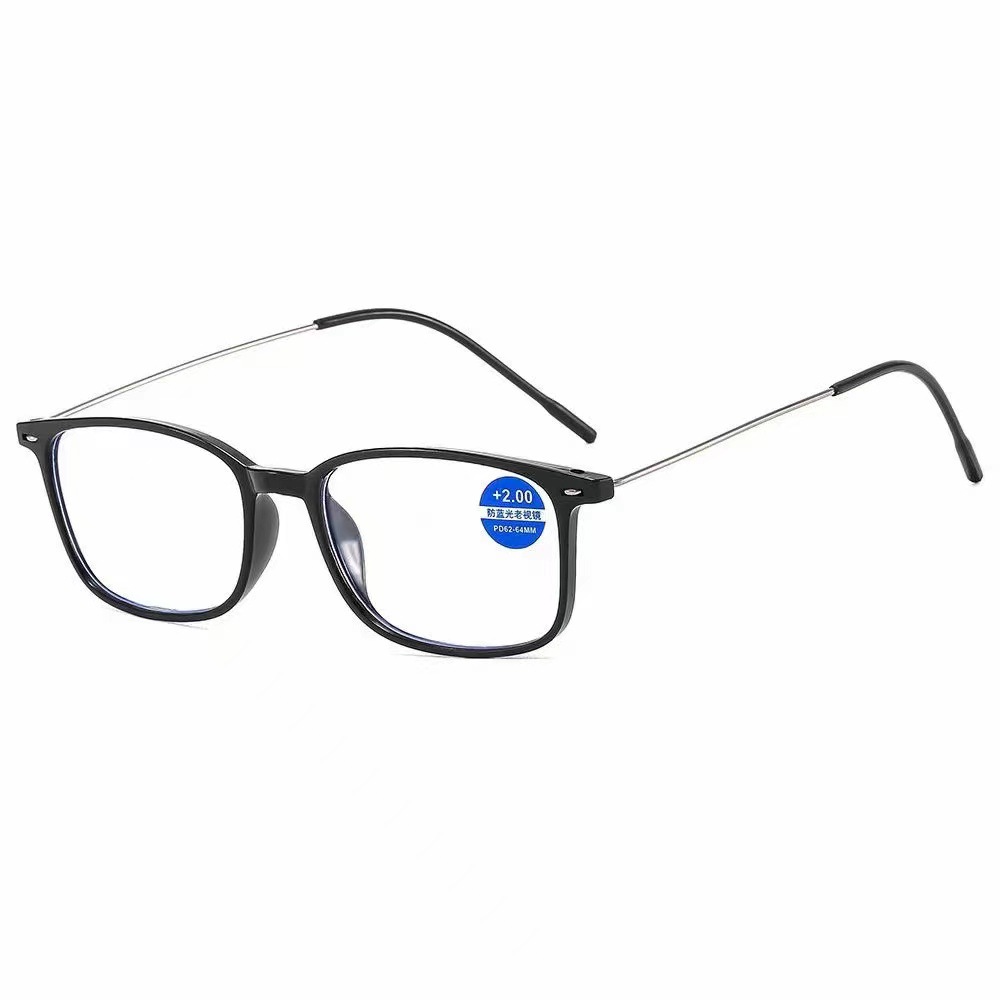
Recently, I've been spending a lot more time in front of a computer screen, and I noticed my eyes were getting strained. I decided to try a pair of anti-blue light reading glasses. I found some at homepage, and they've made a noticeable difference. Mozaer seems to have some good options.